


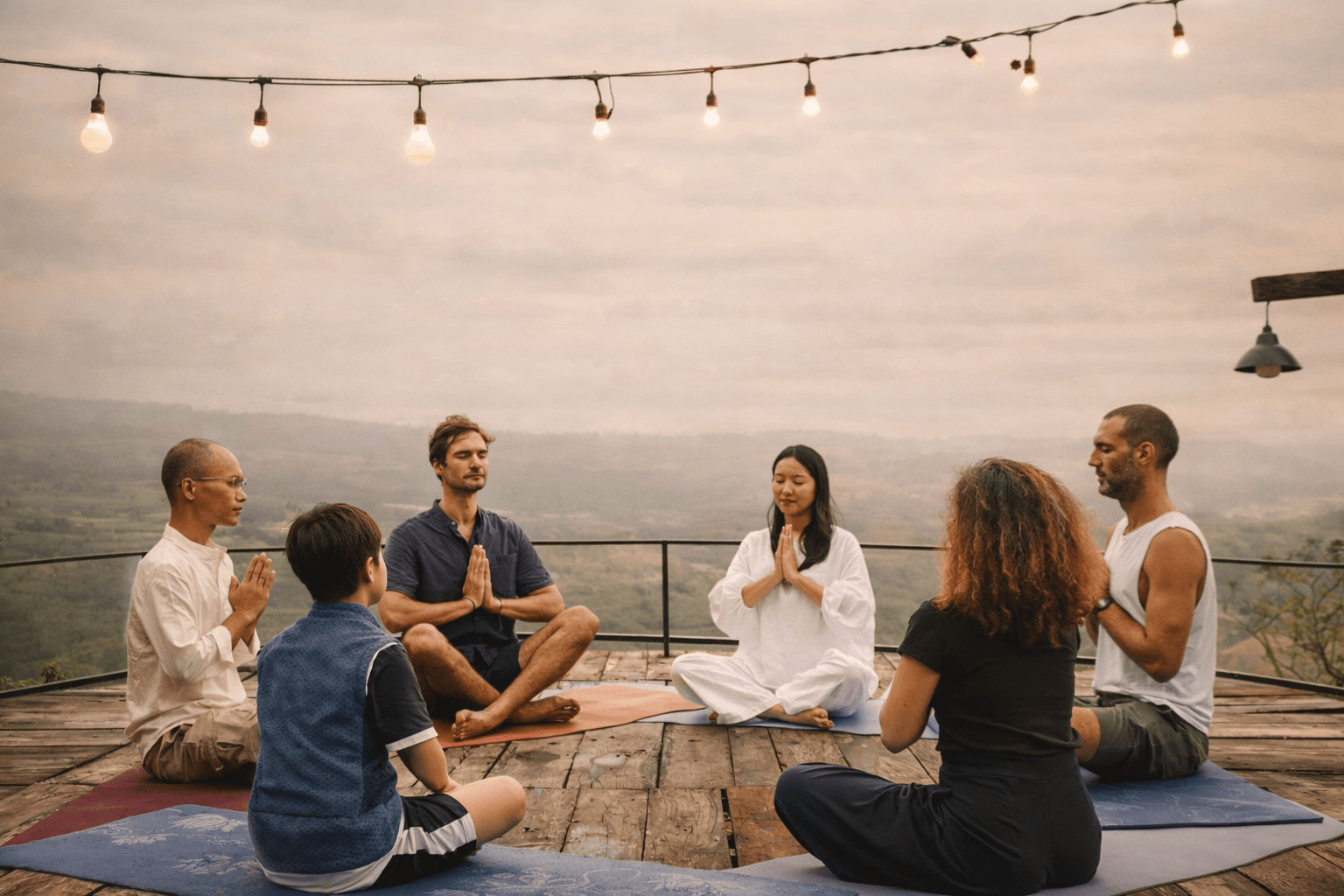
Many organizations invest seriously in talent development, yet in practice focus only on a small group of so‑called “top performers.” This approach unintentionally leaves a significant gap: the majority of potential within the organization has no space to be seen, tested, or developed adequately. When capabilities are not activated, the organization loses not only potential performance, but also the engagement and initiative of its people.
The question is no longer whether to develop talent, but how to do so in a way that creates impact at scale. Group coaching emerges as a strategic answer to this challenge. Instead of developing individuals in isolation, group coaching creates an environment where capabilities are unlocked through interaction, feedback, and collective learning. When people are placed in a space safe enough to think, experiment, and reflect together, talent ceases to be the privilege of a few and becomes a shared resource across the system.
In the past, there have been efforts to empower self‑managed teams with the expectation that performance and accountability would naturally rise. Yet experience shows that without a well‑held space, such teams often fall into confusion, hidden conflict, or revert to old operating patterns. What is missing is not individual capability, but process facilitation. Group coaching, when placed in the right context, is the missing piece that helps teams shift from “coping” to intentional learning and growth.
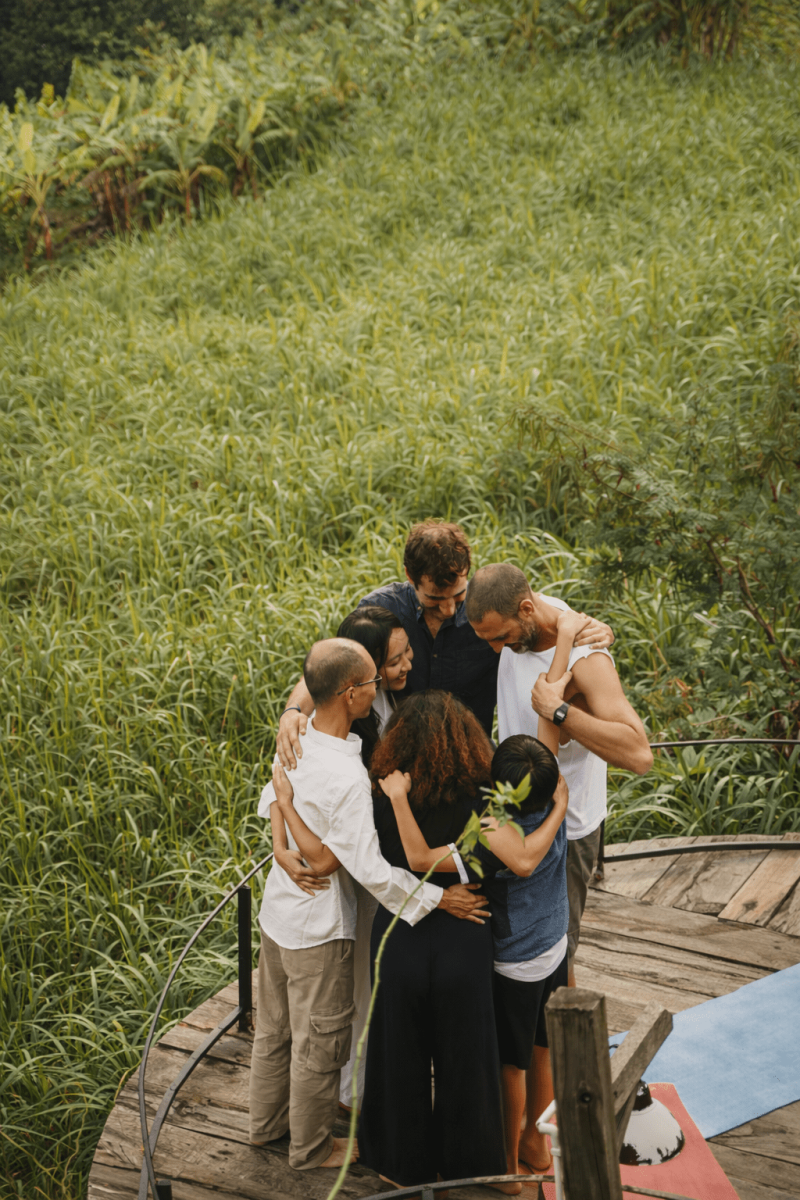
The core purpose of any coaching intervention is not to “fix” people, but to release capacity suppressed by structures, pressures, and outdated habits. For organizations, this means moving from a model that relies on a few exceptional individuals to an ecosystem where many can contribute at their highest level. When group coaching is implemented with strategic intent and aligned with the broader talent agenda, its value extends beyond individual growth to operational effectiveness, decision quality, and collective collaboration.
Group coaching should therefore not be seen as a “soft benefit” add‑on. When designed and delivered well, it becomes a lever in talent strategy. Capabilities are activated more widely, responsibility is shared more clearly, and learning becomes a natural part of how people work together. This collaboration—between individuals, teams, and organizational goals—creates the foundation for talent not only to be discovered, but to be sustained and developed in a lasting way.


